Built for manufacturers who source
Both Made to order And Made to stock.
Industrial equipment manufacturers pumps, compressors, motors, fans, heat exchangers, valves buy across two fundamentally different procurement models at the same time.
Made to order components castings, forgings, machined parts sourced against customer specific drawings sit alongside made to stock standard items bought repeatedly. Each model has its own sourcing challenges, but most teams handle both the same way manually, case by case so neither gets the rigour it needs.
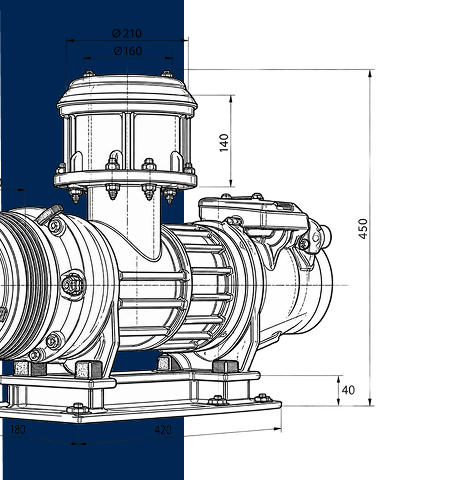
Built for the complexity of
Project Based Sourcing
Industrial equipment manufacturers pumps, compressors, motors, fans, heat exchangers, valves buy across two fundamentally different procurement models at the same time.
Made to order components castings, forgings, machined parts sourced against customer specific drawings sit alongside made to stock standard items bought repeatedly. Each model has its own sourcing challenges, but most teams handle both the same way manually, case by case so neither gets the rigour it needs.
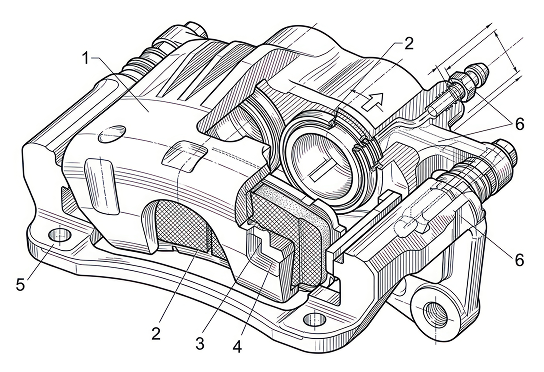
Challenges in Industrial Sourcing
MTO prices are accepted on instinct.
Every custom component has a drawing, but no should-cost is derived from it. Buyers negotiate on last price or market feel, not an independent basis.
Supplier price increases can't be independently challenged.
Commodity-linked increase requests arrive with no way to verify what's justified, so buyers concede on relationship and padding gets absorbed into the margin.
Quote comparison is manual, and deviations get absorbed.
Suppliers quote with different scope (pattern cost, machining, raw vs finished), and substitute alloys or tolerance relaxations slip through into the product and the margin.
Engineering changes silently invalidate price references.
When a drawing is revised, the historical price is no longer valid. No system flags it, so buyers negotiate against stale benchmarks without knowing.
No visibility across plants.
The same casting is bought from different suppliers at different prices. Group volume leverage is never captured, and sourcing knowledge stays locked in individual buyers' heads.
How Stozia Helps
Outcomes
01
15% savings on operational purchases
through quote normalisation and should-cost anchored negotiation.
02
60% reduction in manual sourcing workload
RFQs, comparisons, and deviation analysis handled by agents.
03
Consolidated visibility across plants
every sourcing decision tracked and searchable from one platform.
04
Institutional knowledge retained
drawing intelligence and price history that survive team changes.
Watch it work on your RFQ
We run it on your sourcing, with your parts against your suppliers.